Ever opened up an electrical panel and wondered about those metal bars running through it? Those are busbars. And they’re absolutely crucial for modern electrical systems.
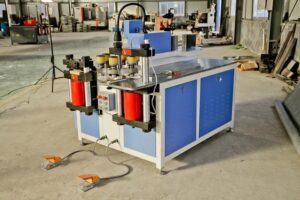
In this guide, as a professional busbar machine manufacturer, I’m going to break down exactly why use busbar systems instead of traditional cables in many applications. By the end, you’ll have a crystal-clear understanding of when and why these metal powerhouses make sense for your projects.
Let’s dive in.
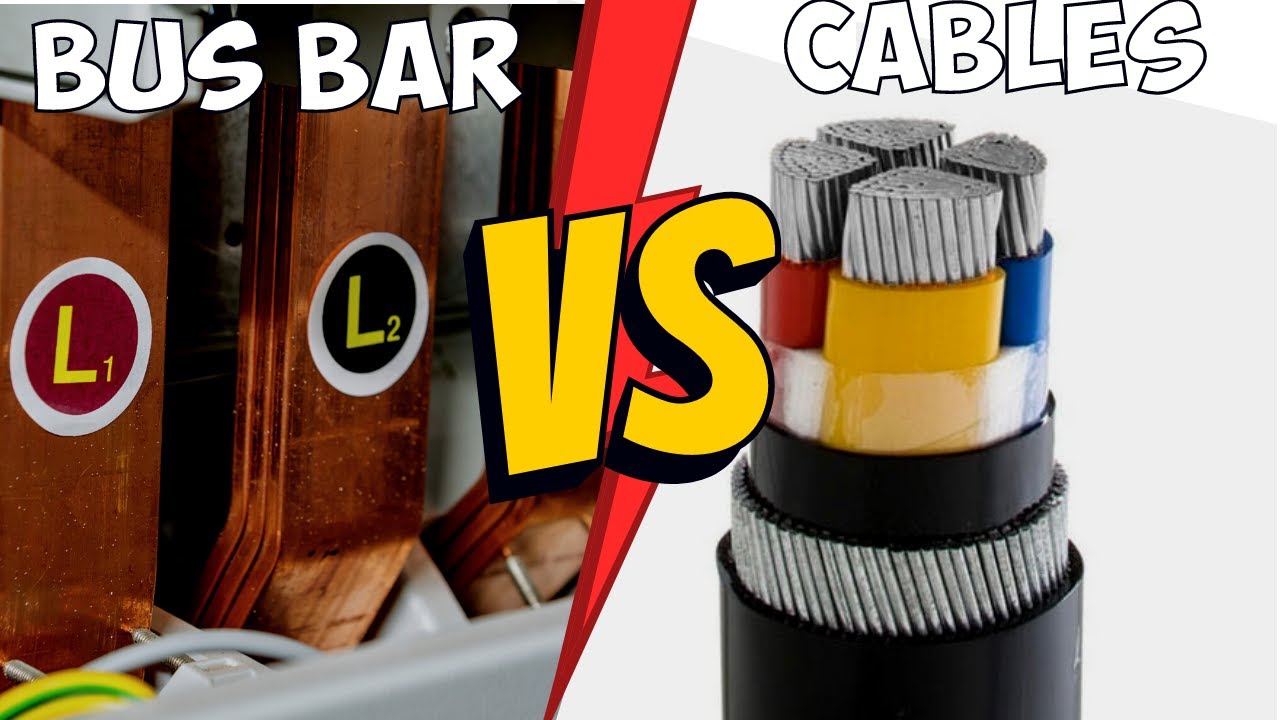
What Exactly Are Busbars?
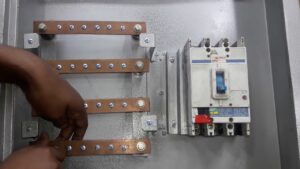
Busbars are metallic strips or bars that carry large amounts of electrical current. They’re typically made of copper or aluminum and are found in virtually every electrical panel.
Look inside your home’s electrical panel and you’ll spot them distributing AC power to all those rows of circuit breakers.
Unlike cables, busbars often have no insulation and are protected by the panel’s enclosure instead. This design serves a specific purpose that we’ll get into.
Why Use Busbar Instead of Cables?
When it comes to power distribution, you have options. But busbars offer some serious advantages that make them the go-to choice for many applications.
1. Superior Current-Carrying Capacity
Busbars can handle massive amounts of current. Way more than comparable cables.
This makes them perfect for high-power applications where you need to move serious electricity without overheating.
2. Better Heat Dissipation
Because busbars are typically uninsulated and supported in air by insulated pillars, they cool much more efficiently than cables.
This improved cooling means you can push more power through them without temperature issues – a critical factor in electrical design.
3. Simplified Power Tapping
Need to tap into a power line at multiple points? Busbars make this incredibly straightforward. The busbars allow “the ability to tap in at various points without having to create a new joint”. This flexibility is a game-changer for complex electrical systems.
4. Enhanced Structural Integrity
Busbars have “sufficient stiffness to be supported in air by insulated pillars”.
This rigidity means they maintain their position and don’t sag or move around, which can be critical in high-vibration environments or where precise electrical clearances must be maintained.
Practical Applications of Busbars in 2025
Where are busbars actually being used today? Let’s look at the most common applications:
Electrical Switchyards
For high voltage equipment, busbars provide the robust connections needed to handle massive power flows safely.
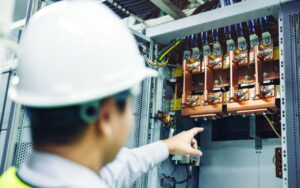
Panel Boards and Switchgear
This is where most people encounter busbars – in the electrical distribution systems of buildings and facilities.
Busway Enclosures
These specialized systems use busbars for local high-current power distribution throughout facilities.
Battery Banks
Even in low-voltage applications like battery storage systems, busbars provide the solid connections needed for reliability.
The Downsides: When Busbars Might Not Be Ideal
I’m not going to pretend busbars are perfect for every situation. Like any technology, they have their drawbacks.
Here are the main challenges with busbar systems:
- Higher Initial Investment – “Designing and implementing busbar systems might involve higher upfront costs compared to traditional wiring”
- Design Complexity – “Certain busbar configurations can become intricate, demanding skilled design and installation”
- Material Constraints – The choice of busbar material “necessitates connectors specifically rated for it”
- Space Requirements – In some configurations, busbars “might occupy more physical space than traditional wiring systems”
- Weight Considerations – “Copper busbars can be heavy, potentially requiring additional structural support”
- Maintenance Factors – While some arrangements simplify maintenance, others might actually increase costs
Making the Right Choice: Cables vs. Busbars
The decision between cables and busbars isn’t always straightforward. Here’s a quick breakdown to help you decide:
Choose Busbars When:
- You need to distribute large currents efficiently
- Heat dissipation is a critical concern
- You need multiple connection points along the power path
- Physical rigidity and structural integrity are important
- The system will be housed in a protected enclosure
Stick With Cables When:
- Initial budget is tight
- The installation requires flexibility and bending
- Space is at a premium
- Weight restrictions are in place
- The specific application doesn’t require the current-carrying capacity of busbars
Busbar Material Selection: Copper vs. Aluminum
The material you choose for your busbars makes a huge difference in performance and cost.
Copper provides superior conductivity but comes with higher costs and weight. Aluminum is lighter and cheaper but requires larger cross-sections to match copper’s current capacity.
When selecting materials, you’ll need to balance:
- Current requirements
- Budget constraints
- Weight limitations
- Connection methods
- Environment (corrosion concerns)
Installation Best Practices for Busbar Systems
If you’re planning to implement a busbar system, following these best practices will save you headaches down the road:
- Proper Sizing – Calculate load requirements carefully and include a safety margin
- Quality Connections – Use appropriate connectors specifically rated for your busbar material
- Adequate Support – Ensure sufficient structural support for heavier copper systems
- Thermal Considerations – Design with heat dissipation in mind
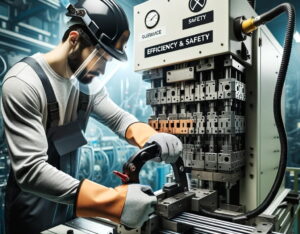
- Proper Insulation – While busbars themselves may be uninsulated, ensure the enclosure provides appropriate protection
- Maintenance Access – Design the system for serviceability
Bottom Line: Why Use Busbar?
When you need to move serious power efficiently, safely, and with the ability to tap in at multiple points, busbars are often the superior choice.
Yes, they come with some challenges – higher upfront costs, potential space requirements, and design complexity – but the benefits frequently outweigh these drawbacks in high-current applications.
Ultimately, the question of why use busbar comes down to your specific needs: current requirements, space constraints, budget, and long-term operational considerations.
For many industrial, commercial, and even residential high-power applications, busbars continue to be the backbone of reliable electrical distribution systems in 2025 and beyond.